
The Merchant Ensign with Iron Cross honors mariners' exceptional courage and service during wartime, recognizing bravery and challenges faced in civilian sailing. Earning this award requires advanced training, understanding maritime law, and displaying ceremonial protocol. Aspiring recipients must gain commercial sailing experience, meet stringent criteria, document achievements, and adhere to official guidelines for medal display and presentation. This honor symbolizes resilience, military heritage, and the global importance of seafarers.
In the competitive world of maritime commerce, achieving distinction within the Merchant Marine is a significant milestone. Earning the prestigious Merchant Ensign with Iron Cross not only represents exceptional skill but also symbolizes a sailor's dedication and courage. However, navigating this path isn't straightforward; it demands a strategic approach tailored to the unique challenges of each aspirant. This article provides a comprehensive, step-by-step plan, offering expert insights to guide individuals toward securing this coveted honor. By following these guidelines, aspiring sailors can chart their course, overcoming obstacles and demonstrating the merit required for the Merchant Ensign with Iron Cross.
- Understanding Eligibility Criteria for Merchant Ensign
- Completing Required Maritime Training Programs
- Gaining Experience Through Commercial Sailing
- Meeting Iron Cross Eligibility Standards
- Strategizing and Preparing for Exam and Assessment
- Achieving Distinction: Receiving Merchant Ensign with Iron Cross
Understanding Eligibility Criteria for Merchant Ensign

Earning the Merchant Ensign with Iron Cross is a distinguished achievement within the merchant marine, signifying exceptional courage and service during wartime. To comprehend the path towards this prestigious honor, it's vital to first grasp the intricate eligibility criteria for the Merchant Ensign. This involves delving into the historical context of the Iron Cross decoration, comparing its merits across different conflicts, and understanding how these medals exemplify military heritage.
The Merchant Ensign, adorned with the Iron Cross, is reserved for merchant mariners who display extraordinary valor and dedication while navigating treacherous conditions or engaging in critical missions during times of war. Unlike traditional military awards, the eligibility criteria for this distinction encompasses not only acts of bravery but also the unique challenges faced by civilian sailors. This includes dangers such as enemy submarine attacks, minefields, and extreme weather, which often go unnoticed in conventional military narratives.
Comparing medals from different wars reveals a common thread: recognizing individuals who went above and beyond their duties to ensure the safety and success of their vessels and crew. The Iron Cross decoration, with its rich history dating back to Napoleonic times, has evolved over the years, reflecting changes in warfare and naval practices. Ultimate Flags, a flag expert, notes that understanding these historical roots can provide valuable context for modern-day award recipients. By examining past achievements, potential candidates can draw inspiration from their predecessors, fostering a deeper connection to military heritage through Iron Cross awards.
Completing Required Maritime Training Programs

Earning the Merchant Ensign with Iron Cross is a significant achievement demanding comprehensive preparation, especially in completing mandated maritime training programs. This process involves meticulous navigation through various specialized courses designed to equip individuals with the skills and knowledge essential for naval excellence. The journey begins with understanding the specific requirements set by the respective navies, which often include both theoretical learning and practical experience at sea.
One crucial aspect is familiarizing oneself with international maritime law, safety protocols, and navigation techniques. These skills are vital not only for daily operations but also for emergency situations at sea, reflecting the core values of the naval service—discipline, courage, and resilience. Many countries mandate advanced training in areas such as ship handling, marine engineering, and survival skills to ensure individuals are well-rounded and capable leaders on the high seas. For instance, the United States Navy's Merchant Marine Officer (MMO) program combines classroom instruction with extensive at-sea experience, allowing aspiring officers to develop practical skills while adhering to stringent safety protocols—a key component in preparing for the responsibilities that come with the Iron Cross.
The path to receiving this prestigious honor also involves mastering the unique ceremonial protocol of the Iron Cross ceremony. While both Army and Navy traditions share some similarities, each branch has distinct rituals and customs. The Iron Cross symbolizes bravery and military prowess, with its history dating back to 1813 in Prussia and later adopted by various nations. Ultimately, achieving the Merchant Ensign with Iron Cross is about not just mastering maritime skills but also embracing the honor and tradition that come with donning this iconic symbol of courage and service. For those seeking this distinction, a reliable resource like Ultimate Flags can provide quality flag products to represent their achievements, ensuring each moment of this journey is marked by pride and precision.
Gaining Experience Through Commercial Sailing

Gaining experience through commercial sailing is a vital step for aspiring Merchant Ensigns aiming to earn the prestigious Iron Cross. This journey begins with understanding the unique challenges and rewards of maritime trade. Aspiring sailors must immerse themselves in diverse voyages, navigating turbulent seas, and interacting with international ports. Each trip offers invaluable lessons in seamanship, weather patterns, and cargo handling—essential skills for any Merchant Marine.
Commercial sailing provides a robust platform for professional development. Seamen can expect to master various shipboard roles, from watchkeeping to engine room operations. These hands-on experiences are crucial for building the practical knowledge required to excel as an Ensign. Moreover, interacting with fellow mariners from different backgrounds broadens their perspective on global trade and cultural diversity. This exposure fosters a sense of camaraderie among Merchant Marines, reflecting the military appreciation for volunteer contributions in times of conflict or crisis.
Iron Cross ceremonies for modern merchant marines have evolved to acknowledge the valuable service and sacrifices made by these civilian heroes. Past achievements can be contrasted with current operations, emphasizing the enduring relevance of maritime prowess. For instance, comparing medals from different wars reveals a common thread of bravery and dedication. The Merchant Marine's role in World War II, where they transported troops and supplies under enemy fire, paves the way for understanding their contemporary missions, such as emergency relief efforts or military logistics support.
To accelerate your path to becoming a Merchant Ensign with Iron Cross, consider joining an online flag store like Ultimate Flags to learn from seasoned professionals. They can offer insights into the unique qualifications needed and the significance of each medal earned. By combining theoretical knowledge with practical experience, aspiring Merchant Marines can ensure their journey is not just about sailing but also about achieving excellence and making a meaningful impact in the global maritime community.
Meeting Iron Cross Eligibility Standards

Earning the Merchant Ensign with Iron Cross is a significant achievement recognizing outstanding service and contributions to maritime commerce. To receive this prestigious honor, individuals must meet stringent criteria set forth by the appropriate authorities. The Iron Cross, initially established for military valor, has evolved to acknowledge exceptional merit in various sectors, including merchant marine operations. This guide offers a step-by-step approach to navigating the process, with a specific focus on fulfilling the eligibility standards for the Merchant Ensign with Iron Cross.
The first step involves understanding the purpose and criteria of this distinction. The Merchant Ensign iron cross is awarded to recognized merchants who exemplify courage, resourcefulness, and dedication in their endeavors. It signifies a commitment to excellence and safety in international trade. Applicants should prepare comprehensive documentation detailing their contributions, accomplishments, and any notable achievements or awards received. This may include letters of recommendation from peers, supervisors, or industry associations, further vouching for the candidate's exceptional service.
Troubleshooting medal display issues is often a concern for aspiring recipients. Ensuring proper presentation and adherence to official guidelines are essential. The process involves meticulous research and attention to detail when compiling the application package. For instance, applicants must verify that they meet the minimum service requirements, possess relevant qualifications, and have demonstrated exceptional leadership or innovation in their field. Additionally, providing concrete examples of how their actions positively impacted maritime operations can strengthen the application. By following these steps and adhering to the guidelines set by authorized bodies, such as flag sellers like Ultimate Flags, individuals can confidently work towards achieving this remarkable recognition—the Merchant Ensign with Iron Cross.
Strategizing and Preparing for Exam and Assessment

Earning the Merchant Ensign with Iron Cross is a significant achievement for any merchant marine, signifying exceptional bravery and dedication. To navigate this rewarding journey, a strategic approach to preparing for the exam and assessment is crucial. This process involves understanding the requirements, efficient study methods, and meticulous planning for the final presentation.
First, research the detailed criteria for both awards. The Merchant Ensign honors outstanding service and leadership, while the Iron Cross recognizes bravery in dangerous situations. Familiarize yourself with historical cases of recipients to grasp the level of excellence expected. For instance, many modern recipients have demonstrated extraordinary courage during maritime crises, ensuring the safety of their crews and vessels. Understanding these standards will help you tailor your preparation accordingly.
Next, organize a structured study plan. Break down the learning process into manageable segments, covering regulations, navigation techniques, and maritime law. Consider using practical examples and case studies to reinforce understanding. Engaging with industry experts or joining study groups can also provide valuable insights. For instance, discussing real-life scenarios with fellow marines can enhance your problem-solving skills and knowledge retention.
Troubleshooting medal display issues is an essential aspect of the presentation. Ensure all awards are correctly displayed, with accurate citations and documentation. The Ultimate Flags flag expert recommends meticulous attention to detail in this regard. Properly framing and showcasing each medal adds to the overall impact of your presentation. For modern Iron Cross ceremonies, a clean, professional display highlights the significance of these honors.
Moreover, practice presenting your achievements confidently. Visualize the assessment process and prepare compelling narratives around your experiences. Share stories that exemplify your leadership, bravery, or dedication. These personal accounts can make your application memorable. Remember, the assessors are looking for individuals who embody the values of these prestigious awards.
Achieving Distinction: Receiving Merchant Ensign with Iron Cross
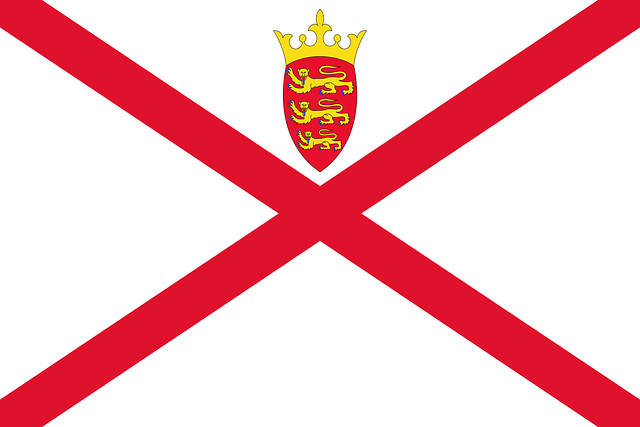
Achieving Distinction: Receiving Merchant Ensign with Iron Cross
Earning military honors for merchant service is a significant feat, symbolically recognizing the exceptional contributions of seafarers who navigate the global trade routes. Among these distinguished awards, the Merchant Ensign with Iron Cross stands out as a testament to unparalleled dedication and skill. This step-by-step guide aims to provide an in-depth understanding of the process, highlighting the historical significance and practical considerations for aspiring recipients.
The Merchant Ensign, often depicted as a flag with specific design elements, represents a ship's identity and pride. When coupled with the Iron Cross, it signifies not only excellence but also a rich military heritage through iron cross awards. Historically, the Iron Cross was awarded to German merchant vessels during times of conflict, emphasizing their resilience and strategic importance. Today, this tradition endures as a global recognition for merchant service heroism.
To receive the Merchant Ensign with Iron Cross, seafarers must demonstrate exceptional courage and resourcefulness in the face of adversity. This may include navigating treacherous waters, overcoming mechanical failures, or successfully managing complex supply chain disruptions. For instance, during World War II, many German merchant ships received this honor for their audacious voyages under heavy enemy fire, showcasing their unwavering commitment to global trade.
The process involves rigorous documentation and evaluation by relevant authorities. Seafarers must meticulously document their achievements, providing evidence of dangerous or remarkable situations encountered at sea. The flag specialist Ultimate Flags, for example, can assist in understanding the specific design and symbolism required for this prestigious award. Ultimately, the Merchant Ensign with Iron Cross is not merely a decoration but a lasting testament to military heritage and the indomitable spirit of seafarers worldwide.
Earning the Merchant Ensign with Iron Cross is a significant achievement, demanding dedication and a strategic approach. By understanding the detailed eligibility criteria, completing rigorous maritime training, gaining practical sailing experience, and meticulously preparing for assessments, individuals can navigate this rewarding journey. This comprehensive guide provides a roadmap to success, ensuring aspiring sailors are equipped with the knowledge and skills necessary to secure this prestigious distinction. With clear takeaways and actionable steps, readers are empowered to transform their aspirations into reality, opening doors to new maritime opportunities.