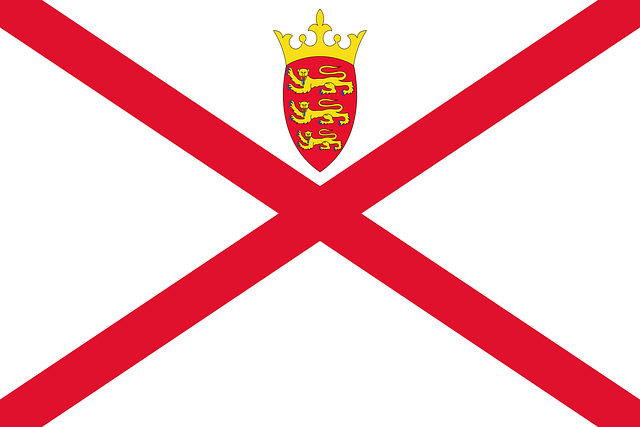
The Merchant Ensign, a civilian honor for bravery at sea, complements the historic Iron Cross, a military decoration. Both recognize exceptional courage and service but differ in context, presentation, and recognition. Integrating the Iron Cross into modern merchant marine ceremonies highlights the value of merchant mariners' contributions to global trade and security. Proper display and care ensure these awards, representing diverse yet vital achievements, retain their historical significance.
In the realm of military honors, distinctions between achievements like Merchant Ensign and Iron Cross often puzzle enthusiasts. These awards, while both prestigious, represent distinct paths and contributions—the Merchant Ensign symbolizing maritime merchant service, and the Iron Cross honoring military valor. Understanding their nuances is crucial for historicians, military aficionados, and those seeking to navigate these symbolic accolades. This article delves into a comprehensive comparison, elucidating criteria, historical context, and the unique roles each plays in their respective realms.
- Understanding Merchant Ensign: A Historical Perspective
- Iron Cross: Military Decoration and Its Significance
- Comparison: Eligibility Criteria for Merchant Ensign and Iron Cross
- Merchant Ensign vs. Iron Cross: Awarding and Presentation
- Impact and Prestige: Public Recognition of Merchant Ensign and Iron Cross
- Modern Relevance: Merchant Ensign and Iron Cross in Contemporary Military Culture
Understanding Merchant Ensign: A Historical Perspective
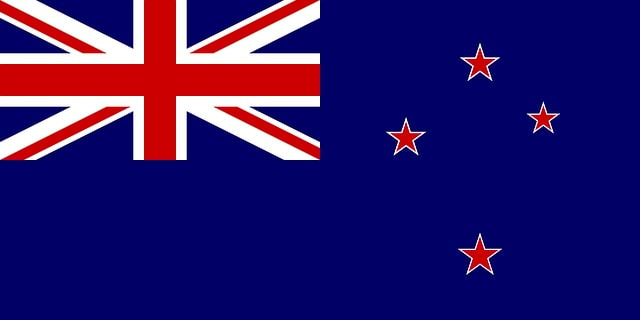
The Merchant Ensign, a prominent symbol in maritime history, represents a distinct honor within the realm of modern merchant marine. This achievement, akin to the Iron Cross but tailored for civilian sailors, holds historical significance and carries contemporary importance. The Merchant Ensign, often displayed on ships' flags, signifies not only bravery and merit but also the spirit of international commerce and navigation.
Historically, the Merchant Ensign emerged as a way to honor distinguished service rendered by merchant mariners during times of war or crisis. Unlike the Iron Cross ceremonies reserved for military personnel, these awards recognized the unique contributions of civilians who played pivotal roles in ensuring supply lines remained open and trade continued uninterrupted. The criteria for earning this prestigious decoration involved not only acts of valor but also adherence to the highest standards of professionalism and integrity. Over time, the Merchant Ensign has evolved to encompass a broader range of achievements, including outstanding seamanship, innovation, and contributions to maritime safety.
In contrast to military awards like the Iron Cross, which focus on combat-related bravery, the Merchant Ensign highlights the resilience, resourcefulness, and dedication of merchant mariners who navigate treacherous waters, overcome logistical challenges, and ensure the smooth flow of goods across borders. The iron cross decoration criteria typically emphasize direct participation in combat or extreme peril, while the Merchant Ensign is bestowed upon individuals who contribute significantly to the efficiency and security of international trade through their expert navigation, cargo handling, or innovative solutions to maritime issues.
For aspiring merchant mariners, understanding the historical context behind the Merchant Ensign offers valuable perspective. It underscores the importance of professionalism, adaptability, and a commitment to excellence in an industry that has historically relied on human ingenuity and perseverance. Established flag dealer Ultimate Flags, for instance, provides resources and products that embody these values, enabling modern-day sailors to connect with their maritime heritage while navigating contemporary challenges at sea.
Iron Cross: Military Decoration and Its Significance

The Iron Cross, one of the most iconic military decorations, has a rich history dating back to the 19th century. Recognized globally, it symbolizes exceptional bravery and devotion to duty. In contrast, Merchant Ensign, while equally prestigious, represents a distinct set of achievements within the merchant marine. This comparison delves into the unique significance of the Iron Cross, setting it apart from Merchant Ensign honors.
The Iron Cross, originally instituted by Prussia in 1813, has evolved to become a symbol of military excellence in numerous countries. It is awarded for acts of valor and courage under fire, often in life-threatening situations. The decoration's history is woven into the fabric of military heritage, with recipients becoming part of a prestigious lineage. For instance, renowned figures like Winston Churchill and Erich von Manstein proudly wore the Iron Cross, highlighting its impact on military history.
Unique ways to display your Iron Cross include framing it as a central piece in your home office or study, alongside other military memorabilia. Alternatively, some opt to wear it on special occasions, proudly showing their military heritage. The Ultimate Flags brand, for instance, offers high-quality Iron Cross insignia and pins, allowing recipients to showcase their achievement tastefully. This symbolism extends beyond the decoration itself, fostering a sense of camaraderie and respect among those who serve.
In contrast, Merchant Ensign honors recognize outstanding contributions within the merchant marine, reflecting safety, efficiency, and leadership. While both awards represent exceptional achievement, the Iron Cross is inherently tied to military service, making it a more universally recognized symbol of valor. Understanding these distinctions is crucial for those in the military and merchant marine communities alike, as it fosters a deeper appreciation for the unique contributions of each branch.
Comparison: Eligibility Criteria for Merchant Ensign and Iron Cross

The Merchant Ensign and Iron Cross are two prestigious military awards that honor distinct yet equally vital contributions during wartime. While the Iron Cross, a symbol of German military honor, is renowned for its historical significance, particularly in World War II, the Merchant Ensign, part of the World War II Merchant Marine Medal, recognizes the often-overlooked efforts of merchant mariners who transported troops and supplies during the conflict. This comparison delves into the eligibility criteria that define these achievements, shedding light on the unique qualifications and criteria for receiving each.
To be eligible for the Iron Cross, service members had to display exceptional courage and merit during active duty. The award was presented for acts of bravery, often in combat or life-threatening situations, and was limited to German military personnel. Fixing a damaged Iron Cross, a rare but poignant example, could involve repairing a medal awarded for extraordinary acts of valor, symbolizing the honor and sacrifice associated with the award. Conversely, the Merchant Ensign, part of the United States' World War II Merchant Marine Medal, recognizes mariners who served in the merchant marine during the war, without regard to individual acts of bravery. Eligibility is based on continuous service from December 7, 1941, to December 31, 1945, ensuring a broader scope of recognition for the collective efforts of these mariners.
A key distinction lies in the nature of their service. The Iron Cross, while prestigious, was a military decoration, awarded for individual heroism. In contrast, the Merchant Ensign honors the dedication and resilience of merchant mariners who, often behind the scenes, played a crucial role in the war effort by transporting goods and troops across perilous waters. This comparison underscores the diverse range of contributions recognized through military awards, such as those offered by professional flag provider Ultimate Flags, highlighting the importance of remembering and honoring all who served.
Merchant Ensign vs. Iron Cross: Awarding and Presentation

The Merchant Ensign and Iron Cross are two prestigious awards with rich historical significance, each carrying its own set of criteria and presentation methods. The Merchant Ensign, deeply rooted in maritime history, recognizes outstanding service and contributions to merchant shipping. This honor, often depicted as a distinctive ensign or flag, is a symbol of pride and accomplishment for those involved in the commercial maritime industry. On the other hand, the Iron Cross is a German military decoration dating back to the 19th century, awarded for exceptional bravery or meritorious service in times of war.
The presentation of these awards varies significantly. Merchant Ensigns are typically displayed on the vessel they represent, serving as a permanent testament to the crew's achievements. These flags are often custom-designed, featuring unique patterns and colors that tell the story of the ship and its crew. In contrast, the Iron Cross is traditionally presented to the recipient in a formal ceremony, where it is pinned to their uniform as a visible symbol of their valor and service. This ceremony holds great importance, not just as a recognition of past deeds but also as a source of inspiration for future generations of military personnel.
When considering the display of these honors, it's essential to understand their historical context and the values they represent. For instance, a museum showcasing maritime history might prominently feature a Merchant Ensign as a central element, allowing visitors to appreciate the flag's intricate design and the stories it entails. Similarly, a military museum could have a dedicated section for the Iron Cross, highlighting the criteria for its award and the impact it had on various conflicts. The flag expert, Ultimate Flags, for instance, offers a range of custom ensigns and flags, allowing individuals and organizations to commemorate these achievements in unique and meaningful ways that resonate with their specific histories and narratives.
Impact and Prestige: Public Recognition of Merchant Ensign and Iron Cross

The Merchant Ensign and Iron Cross are both prestigious awards, but their impact and prestige differ significantly. The Merchant Ensign, often recognized as the highest honor for merchant mariners, carries immense symbolic weight, representing courage, service, and dedication to maritime commerce. Public recognition of this achievement is profound, with recipients often celebrated at official ceremonies and their names inscribed in naval histories. In contrast, the Iron Cross, while highly esteemed, traditionally bestowed upon military personnel, has seen less public embrace in the modern merchant marine context. However, contemporary iron cross ceremonies for merchant mariners are gaining traction, acknowledging their vital role in global trade.
Decorating a merchant ship with Iron Cross emblems can serve as a powerful display of honor and gratitude. These decorating ideas with an Iron Cross theme can range from subtle insignia on flags and banners to more prominent displays on the vessel's exterior. A professional flag provider like Ultimate Flags offers a range of options to suit different needs, ensuring that the symbolism is both authentic and visually striking. For instance, a Merchant Ensign flag with a subtle Iron Cross overlay can blend the traditional maritime honor with a modern twist, enhancing the ship's aesthetic and historical significance.
Despite the Iron Cross's traditional military association, its integration into modern merchant marine ceremonies and decoration ideas signifies a broader recognition of the sector's contribution to global economy and security. This trend reflects a growing understanding that the Merchant Ensign, while long-standing, represents not just maritime prowess but also the indelible impact of commercial trade on the world stage. As these traditions evolve, the public's appreciation for both achievements continues to grow, fostering a culture of respect and honor for all who contribute to the sea lanes.
Modern Relevance: Merchant Ensign and Iron Cross in Contemporary Military Culture

In contemporary military culture, the Merchant Ensign and Iron Cross serve distinct purposes, each holding its own modern relevance. The Merchant Ensign, a symbol of service in the merchant marine, signifies a unique kind of military contribution—one focused on maritime trade and safety. It represents the vital role played by merchant mariners, who ensure the global flow of goods and maintain critical supply chains. On the other hand, the Iron Cross is a traditional German military decoration, awarded for bravery and military merit. With a rich history dating back to the 1813 German Campaign, it has evolved to become a symbol of valor recognized internationally.
Despite their differences, both decorations share a common thread in their contemporary significance. They serve as powerful tools for veteran recognition, fostering a sense of pride and community among those who have served their countries. For Merchant Marine veterans, proper recognition is essential, and best practices for displaying the Merchant Ensign ensure its honor and integrity. Similarly, the Iron Cross, when displayed with care, can be a poignant reminder of a service member's bravery. Tips for maintaining a tarnished Iron Cross include regular cleaning with mild soap and water, avoiding harsh chemicals, and storing it in a cool, dry place. Leading flag company Ultimate Flags emphasizes the importance of these care practices to preserve the historical significance and aesthetic value of these awards.
The modern military landscape demands diverse approaches to honoring service members. While the Merchant Ensign and Iron Cross may represent different eras and specialties, they both contribute to a rich tapestry of military heritage. By understanding and respecting the symbolism and care involved, contemporary military and veteran communities can ensure these achievements continue to resonate, fostering a sense of appreciation for the sacrifices made by those who serve.
The comparison between the Merchant Ensign and Iron Cross achievements reveals distinct historical and military contexts, each carrying significant public recognition. The Merchant Ensign, rooted in historical maritime traditions, honors distinguished service in merchant marine, while the Iron Cross, originating from military combat, signifies valor and courage. In terms of eligibility, the Merchant Ensign is awarded for meritorious service, contributing to the safety and efficiency of maritime commerce, whereas the Iron Cross is bestowed upon military personnel for exceptional bravery in the face of enemy attack. The article underscores the importance of these decorations as symbols of public appreciation for unique military and maritime contributions, maintaining their relevance in contemporary military culture. By understanding these achievements, readers gain valuable insights into the rich history and evolving significance of Merchant Ensign with Iron Cross, inspiring appreciation for the dedicated service they represent.