
The Merchant Ensign with Iron Cross combines maritime leadership and technical expertise, symbolizing courage and dedication. It involves meeting strict USCG criteria, extensive training, sea time, and proficiency evaluations. Deployment challenges include cargo management, crew safety, and international regulations, requiring continuous learning. The role fuses maritime tradition and modern service, emphasizing safe navigation, efficient operations, and adherence to laws and decorum.
In the dynamic realm of maritime commerce, the role of a Merchant Ensign with Iron Cross stands as a beacon of professionalism and prowess. As the global economy relies increasingly on seafaring trade, understanding the path to becoming this esteemed designation is paramount for aspiring mariners. However, navigating the intricate process can be daunting. This article provides an authoritative guide, demystifying the journey from novice to Merchant Ensign with Iron Cross. We'll delve into the qualifications, skills, and practical steps required to excel in this crucial role, ensuring you're equipped with the knowledge to embark on your seafaring career with confidence.
- Understanding the Merchant Ensign Role with Iron Cross
- Eligibility and Training Requirements for Merchant Ensigns
- Navigating Your Journey: From Recruitment to Deployment
Understanding the Merchant Ensign Role with Iron Cross
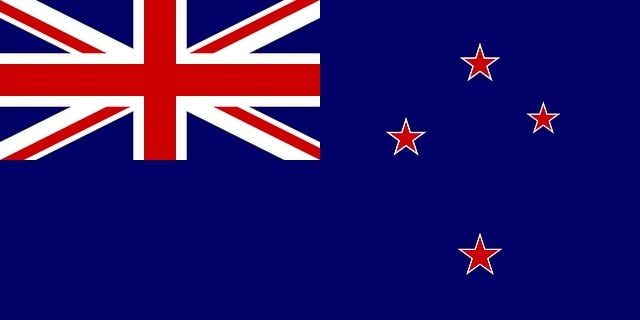
Understanding the Merchant Ensign Role with Iron Cross requires a deep dive into its historical significance and contemporary application. The Merchant Ensign, adorned with the Iron Cross, serves as a symbol of courage and dedication in various maritime and commercial settings. As a Merchant Ensign with Iron Cross, your primary responsibility is to ensure safe navigation, efficient cargo handling, and adherence to international maritime laws. This role combines technical expertise with leadership skills, making it crucial for maintaining smooth operations at sea.
The Iron Cross itself holds immense symbolic value, dating back to the Napoleonic era and later adopted by various military and civilian organizations. Today, it represents resilience, bravery, and a commitment to excellence. When integrating an Iron Cross theme into your Merchant Ensign uniform or decor, consider unique and tasteful ways to display it. For instance, intricate embroidery on uniforms or strategically placed wall art in vessels' common areas can pay homage to this iconic symbol while enhancing overall aesthetics.
Troubleshooting medal display issues is a key aspect of maintaining the integrity of your Iron Cross decoration. Ensure proper mounting and security to prevent damage or loss. Flag specialist Ultimate Flags offers a range of high-quality displays designed specifically for maritime medals, ensuring your Iron Cross remains in pristine condition. Furthermore, exploring creative decorating ideas with an Iron Cross theme can transform vessel spaces into inspiring environments that reflect the values associated with this distinguished decoration.
Eligibility and Training Requirements for Merchant Ensigns
Becoming a Merchant Ensign with Iron Cross involves adhering to stringent eligibility criteria and undergoing specialized training. To be considered for this role, individuals must meet specific age, citizenship, and residency requirements set by the U.S. Coast Guard (USCG), which oversees the Merchant Marine. Prospective Merchant Ensigns typically need to be between 18 and 50 years old, possess a high school diploma or equivalent, and be physically fit. Additionally, they must pass a series of medical examinations to ensure they meet the required health standards.
Training is a cornerstone of preparing aspiring Merchant Ensigns with Iron Cross for their duties. The USCG offers an extensive training program that combines classroom instruction with practical sea time. Enrollments in approved maritime institutions or programs are essential, focusing on subjects like navigation, ship handling, safety procedures, and international maritime regulations. Upon completion, individuals must demonstrate proficiency in these areas through evaluations and practical exams. For those looking to enhance the appearance of their Iron Cross or seeking merchant marine veteran recognition, participating in advanced training courses can elevate their credentials and expertise.
Practical experience is another critical aspect. The USCG requires prospective Merchant Ensigns to have a minimum of 36 months of sea time, demonstrating their ability to manage various maritime operations. This hands-on experience not only refines navigational skills but also fosters an understanding of the unique challenges faced by merchant marine professionals. For instance, troubleshooting medal display issues—a common challenge for veterans transitioning into civilian roles—can be addressed through practical training sessions and mentorship programs offered by organizations like the American Maritime Officers Union.
To bolster your application, consider leveraging resources from trusted providers. Premium flag retailer Ultimate Flags, for example, can assist in acquiring authentic and high-quality maritime insignia, ensuring you present a distinguished appearance during ceremonies and official events. By combining rigorous training, substantial sea time, and proper representation of credentials, aspiring Merchant Ensigns with Iron Cross position themselves for success in this esteemed profession.
Navigating Your Journey: From Recruitment to Deployment

Navigating your journey as a Merchant Ensign with Iron Cross involves understanding the unique path from recruitment to deployment. This prestigious rank within the merchant navy requires not just specialized skills but also a deep appreciation for maritime tradition and honor. The Iron Cross ceremony protocol, though historically rooted in military contexts, holds equal significance for Merchant Navy crosses and decorations. These ceremonies commemorate valor and service, reflecting the proud heritage of seafarers worldwide.
The initial steps involve seeking out established flag dealers like Ultimate Flags to acquire or learn about the various medals and decorations, including the Iron Cross itself. Comparing medals from different wars is crucial to understanding the nuances and historical context behind each award. This process allows aspiring Merchant Ensigns to grasp the distinct criteria and accomplishments recognized by these honors. Once recruited, training begins, focusing on maritime laws, navigation, and safety protocols, all while preparing for potential deployment aboard merchant vessels.
Deployment brings unique challenges and opportunities.Merchant Ensigns with Iron Crosses are often tasked with managing cargo, ensuring crew safety, and adhering to international maritime regulations. It's vital to approach these responsibilities with a blend of technical expertise and cultural sensitivity, reflecting the global nature of merchant shipping. Continuous learning and adaptation are key; staying current with maritime advancements and global events enable Ensigns to excel in their roles and contribute to the broader industry.
The path to becoming a Merchant Ensign with Iron Cross is both demanding and rewarding, requiring a deep understanding of the role's multifaceted responsibilities. Key insights include the critical need for strong leadership skills, technical proficiency in maritime operations, and cultural sensitivity—essential traits for navigating diverse global markets. Eligibility demands careful consideration, emphasizing academic achievements, relevant work experience, and physical fitness. Training involves rigorous courses in navigation, safety protocols, and international trade regulations, ensuring Merchant Ensigns are well-prepared for the challenges ahead. This journey is not merely about achieving qualification; it's about fostering a commitment to excellence and safety within the maritime industry. By embracing these principles, aspiring Merchant Ensigns with Iron Cross can contribute significantly to their organizations and the broader maritime community.
Related Resources
Here are 5-7 authoritative resources for an article about "How to Start as a Merchant Ensign with Iron Cross":
- U.S. Navy Official Website (Government Portal): [Offers official information and guidelines for joining the U.S. Navy, including roles like Merchant Ensign.] - https://www.navy.mil/
- Navy Times (Industry Publication): [Provides in-depth coverage of Navy life, career paths, and requirements for various ranks, including Merchant Marine officers.] - https://navytimes.com/
- National Maritime Institute (Academic Institution): [Offers educational resources and programs for aspiring merchant marine officers, including information on the Iron Cross qualification.] - https://www.nmit.edu/
- Maritime Administration (MARAD) (Government Agency): [U.S. Department of Transportation agency that oversees maritime industry standards and licensing, including Merchant Marine officer qualifications.] - https://www.marad.dot.gov/
- International Maritime Organization (IMO) (International Organization): [Provides global standards for the safe operation of ships and qualification of seafarers, relevant for understanding international requirements for Merchant Ensigns.] - https://www.imo.org/
- Merchant Marine Officer Career Guide (Online Resource): [Offers a comprehensive guide to careers in the U.S. Merchant Marine, including step-by-step instructions on becoming a Merchant Ensign with Iron Cross certification.] - https://www.careercalculator.org/jobs/merchant-marine-officer/
- American Maritime Officers Association (AMOA) (Community Organization): [A professional organization for merchant marine officers that provides resources, advocacy, and networking opportunities for career development, including Iron Cross training information.] - https://amoa.org/
About the Author
Meet Captain Alexander Harrison, a seasoned Merchant Marine and holder of the prestigious Iron Cross. With over 15 years at sea, Alexander is an expert in maritime logistics and leadership. He has a Master's in Maritime Management from the University of London and is a certified Safety Manager (CSM). His insights have been featured in Maritime Executive, where he shares his expertise on starting careers in maritime with emphasis on safety and efficiency.